Unknown's avatar

Posts by daviddawson462742281

Walking with Jesus learning to be like Him. Human Development Consultant. BA Humanities University of the Nations, MA Global Leadership Fuller Theological Seminary. Married to Kati and dad to Emily, Gabriel and Laura. Love surfing, cooking, expat life, jazz.

Supersessionism and Indigenization in Iberian Christendom, pt 2

The Symbiotic Relationship that Fueled Iberian Colonialism

Catholicism and European economic interests had been closely linked since the beginning of the early modern period. Portugal coupled religion and politics to sustain their conquests during its period of overseas expansion in South America, Africa, and Asia (Rivett, 2014). In the 16th century, the Spanish church was one of the largest in Europe, and obtaining clerical office increased the fortunes of the oligarchs who lived off the sale of jurisdictions, noble titles, unfarmed lands, rents, and municipal taxes (Yun-Casalilla, 2019). The Austrian and Spanish branches of the Habsburg monarchs were traditionally close, but there was increasing doubt among policymakers in Madrid regarding the value of the Viennese connection (Storrs, 2006). The Spanish Habsburgs began to see their foreign allies as “self-seeking and unreliable” (Storrs, 2006). At times the Austrian Hapsburgs used the church as an outlet for the expansion of their power, despite opposition from the Spanish Crown. Thus, the church was increasingly turned into an institution linked to economic power struggles (Yun-Casalilla, 2019). 

The Iberian colonies in the Americas were an essential part of the rise of ecclesiastical institutions which received streams of donations. These resources were not primarily designated from church coffers but solicited from the faithful based on a religious rationale for colonization (Yun-Casalilla, 2019p. 184). It was an enormous territory but the church expanded quickly through religious orders such as the Dominicans, Franciscans, Hieronymites, and Jesuits most of all. In 1543, the Spanish Crown gained complete power to establish episcopal jurisdictions in their colonies and eventually to control ecclesiastical appointments. The spiritual capital and prestige of both the Spanish Crown and the Catholic church mutually benefited from this partnership. In particular, the identification of the church as a bastion against Protestantism moved the Catholic faithful to contribute to things like the Crusades. The Spanish Hapsburgs imposed a confessional character upon their dominions, based on being heirs to both the empire of Charlemagne and their liberation of the Iberian peninsula from the Moors (Yun-Casalilla). 

In Spain and Portugal, the occupation of high ecclesiastical positions legitimized the ruling elites more than in any other European states (Yun-Casalilla, 2019). This moral economy produced Spanish and Portuguese exceptionalism. The Spanish nobility became the “hierarchical center of the European Catholic nobility and its marital market”. Whereas the Protestant lands after the thirty years war saw the progressive fragmentation of their part of Christendom into a variety of churches, the Catholic lands remained united under the pontificate of Rome (Yun-Casalilla, 2019).

The Portuguese and Spanish societies were exceptional in their social ability to “reproduce their political structures” (Yun-Casalilla, 2019), which depended on Iberian Catholicism. The Church was an integral part of the heart of the Iberian monarchies, it “served not only to justify empires but also the system for the transfer and mobilization of fiscal and military resources”. Whereas religious fractures led to alternative forms of the state in England and the Netherlands, religious orthodoxy in Iberian kingdoms remained fundamental, providing the framework “for the forms of allocation of productive resources” (Yun-Casalilla, 2019). 

As colonial societies developed, important changes in ecclesiastical organization occurred in the Americas, the zone of greatest Spanish presence. These colonies became full of parishes, ecclesiastical councils, and archbishoprics to which important sources of income were allocated in the form of land, tithes, and even industries. Organizations of Catholic laity such as charitable foundations, piety projects, and confraternities were influential, in addition to the expansion of religious orders (Yun-Casalilla, 2019). 

These power structures were modeled on Iberian society and were a force against the indigenization of American Catholicism (Yun-Casalilla, 2019). But at the same time traditional indigenous beliefs were mixed with Catholic practice to a high degree. And it was religions’ link to the mainstream population that gave it it’s “stabilizing power upon the social system”. The church was key in creating and sustaining social order amid great internal differences. Thus, Iberian Catholicism in the Americas had the double-boosting effects of a strong colonizer infrastructure coupled with much incorporation of indigenous beliefs (Yun-Casalilla, 2019). 

The Emergent Clerical Order – Fervency and Contextualization

In a theoretical sense, the fervor of Spanish missions to the Americas came from Counter Reformation ideology out of Rome. But in a practical sense the zealous nature of these missions drew from eight centuries of warfare and struggle to reconquer the Iberian Peninsula from Islamic invaders, i.e., La Reconquista (Hsia, 2017). As a result of this conflict, Spanish Catholicism became more radicalized in its religious fervor, becoming less tolerant and more focused on orthodoxy and reform. And the concern for orthodoxy went beyond Jews and Arabs, the clergy were also under pressure due to prevalent laxity (Hsia, 2017). 

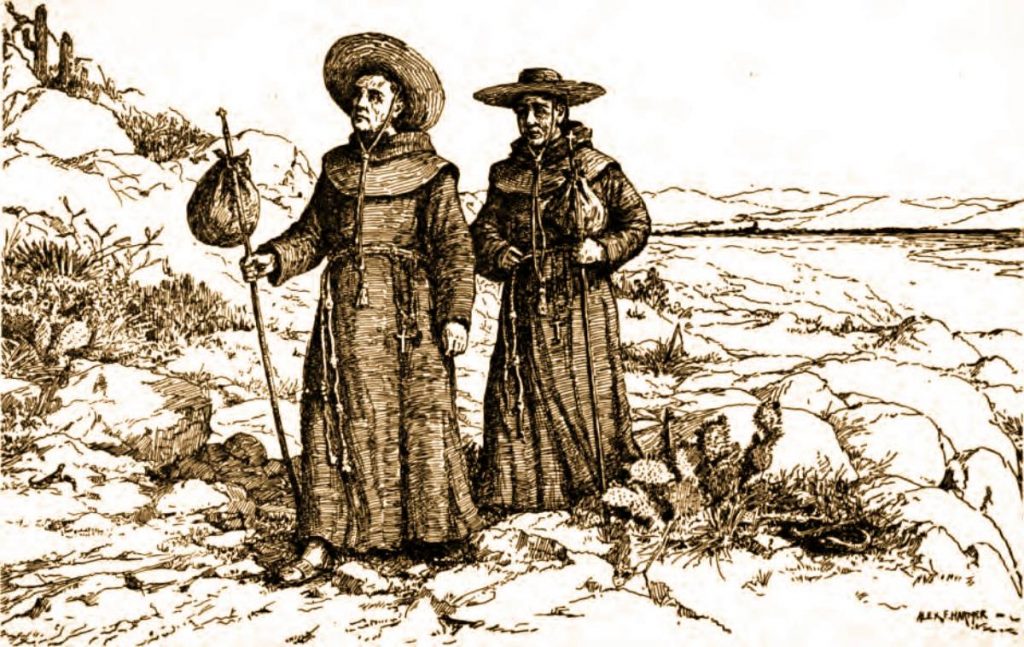
Church leadership was divided into regular clergy and the secular clergy, the former are members of a religious order who live according to a rule while the latter are priests living in the general society (Louth, 2022). In general, the secular clergy focused on administering the religious life of the Spanish colonists and the regular clergy engaged the task of evangelizing the natives (Hsia, 2017). While the secular clergy answered to the Crown, the regular clergy answered to Rome. During the reconquest, the regular clergy had become an important force in re-evangelizing territories. The first Spanish missionaries to the Americas were characterized by a vision of evangelism that emphasized “austerity, simplicity, and a preach-by-your-works ideology”. Many embraced millenarian eschatological views that believed the evangelization of the indigenous peoples of the Americas would usher in Christ’s return. Over time, the regular clergy became privileged and powerful. This generating competition with the secular clergy, who would eventually affirm their dominance during the colonial period (Hsia, 2017). 

The members of the religious orders, friars, had planned to groom natives to be trained as clergy for the task of evangelization. Their strategy was to begin with the elites so that these in turn would influence the general population (Hsia, 2017). But the result was not exactly what the friars wanted, the population was evangelized but the result was a Catholicism mixed with indigenous beliefs and practices. The focal point for the work of the friars was the missionary schools where small books with pictures were used to catechize the illiterate. The instruction method of the early years has been described as “an eclectic tapestry of images, song, and oral mediums”. The missionary schools taught natives in different groups with different instruction according to their class in indigenous culture. The native elites received training preparing them to teach their fellow natives, take confession, do administrative tasks, and preach (p. 29). These native church workers and also helped teach their language to the friars. In sum, it can be said that for the native population the experience of Catholicism was predominantly native not Spanish (Hsia, 2017).

Although initially controversial, eventually the translation of Scripture and liturgical texts into native languages was embraced and thrived (Hsia, 2017). Regions where translation and distribution of sacred literature didn’t occur saw inferior church growth. Other regions saw growth spurred using printing presses to distribute literature. Indeed, “The printing press played a key role in the Counter Reformation for both Protestants and Catholics in educating their respective folds. In Spain and its American colonies, the printing press became a means to regulate the communication of the Catholic message (Hsia, 2017). 

Soon however, the natives did begin producing their own Christian texts with variant versions of biblical motifs and narratives (Hsia, 2017). But the emergence of unorthodox should not necessarily be attributed to indigenous authors’ inability to understand the Christian doctrine. Nor should we assume that unorthodoxy was an  intentional form of resistance or blatant rejection of Catholicism. Rather, these unconventional teachings are best understood through the lens of preexisting native practices. Numerous examples exist where the natives reinterpreted historical events or biblical stories in ways that best suited their present needs” (Hsia, 2017). The indigenous peoples of modern-day Mexico adapted their engagement with Christianity to meet personal needs and desires that were fluid. A similarity can be drawn between these attitudes and behaviors and those of many Christians in the West today. Some native Christians added things to conventional religious practice, others subtracted from it what was deemed unneeded. Yet such modifications should not seen as “defiance” or  “rejection” by those who engage in them since most would still define themselves as “good Christians.” (Hsia, 2017). 

References

Hsia, Ronnie. P. (2017). A companion to early modern Catholic global missions. Brill. 

Religious transformations in the early modern Americas / edited by Stephanie Kirk and Sarah Rivett. (2014).

Storrs, C. (2006). The resilience of the Spanish monarchy, 1665-1700 / Christopher Storrs. Biola Library ebooks.

Yun-Casalilla, Bartolomé (2019). Iberian World Empires and the Globalization of Europe 1415–1668. Palgrave Macmillan

Supersessionism and Indigenization in Iberian Christendom, pt 1

Introduction

I am a missionary with 30 years of service in the Iberian diaspora world. I grew up in the majority-Hispanic East San Fernando valley of Los Angeles county. I then worked in urban missions in predominantly Hispanic neighborhoods of Los Angeles before marrying a Brazilian and serving in that nation for 16 years. I currently live in Portugal and my contextual focus includes Spain. I consider myself someone called to the Iberian diaspora, by which I refer to Spain, Portugal, the nations of Latin America, and their immigrant communities worldwide. Such a broad scope of service may appear ostentatious or overstretched. But over the years, my work has transitioned from practitioner to theoretical and I have found that my social science research – most significantly in Brazil and Portugal – leads to implications relevant to the Iberian diaspora described above. I, I am interested in sociological phenomena that impacts both the colonized and colonizer in the Iberian cultural matrix. 

The practical aspect of my service is focused on Christian ecumenism. As a US-American serving in majority Catholic contexts for most of my missionary career, my primary goal is to serve the predominant church rather than try to convert its members away from their rich tradition. As such, Catholic studies are central to my work. I also work toward interfaith dialogue in ways that preserve traditional Christian witness while correcting how this witness has been distorted in the church’s conduct towards other religious communities. I have a passion to discover and foster ways that different religious communities can partner together in learning and serving the common good. 

I promote mission as intercultural reconciliation, hereafter referred to as MIR. This proposal is based on the apostle Paul’s declaration regarding the work of Christ: 

For He Himself is our peace, who made both groups into one and broke down the barrier of the dividing wall, by abolishing in His flesh the enmity, which is the Law of commandments contained in ordinances, so that in Himself He might make the two into one new man, thus establishing peace, and might reconcile them both in one body to God through the cross, by it having put to death the enmity. And He came and preached peace to you who were far away, and peace to those who were near; (New American Standard Version, 1995, Eph. 2:14-17)

The word reconcile here denotes “‘to change, exchange’ (especially of money); hence, of persons, ‘to change from enmity to friendship, (…) and in this text the phrase to reconcile completely is used, a stronger form meaning ‘to change from one condition to another,’ so as to remove all enmity and leave no impediment to unity and peace”. Used in this text, it signifies “the ‘reconciliation’ of believing Jew and Gentile ‘in one body unto God through the Cross’” (Reconcile, Reconciliation – Vine’s Expository Dictionary of NT Words -, n.d.).

Some translations use the phrase new humanity, which I appreciate as being more gender inclusive. However, I choose to use the male-specific term because of its compatibility with the biblical concept of Adam expounded in the New Testament referring to the redemptive work of Christ (Rom. 5:12-20). I feel that “one new man” speaks better to what I hope to express regarding intimate particularity of human culture. “One new man” feels more personal and embodied to me than “humanity”, but I hope my reader understand that by “man” I infer the plenitude of male-female expression in human culture. 

Unfortunately, the vision of one new man was thwarted by a supersessionist theology that abolished the Jewish expression in the church. This biblical interpretive framework affirms that, 

the promises and commitments of God would no longer apply to Israel because it had not recognized Jesus as the Messiah and the Son of God but had been transferred to the Church of Jesus Christ which was now the true ‘new Israel’, the new chosen people of God (Cunningham, 2017). 

The prophetic symbol of the one new man formed of formerly alienated peoples was substituted by a vision of a church united by the nullification of cultural identity. Thus, the instinct of catholicity was born out of which came emphases on episcopal lineage and uniformity of doctrine and practice. The history of Christianity that ensued has been one of serial fragmentation, most significantly in the post-Reformation era. With each separating group claiming to represent the purest expression of Christian culture, devoid of human infiltration and contamination. 

The purpose of this series of articles is to research the key factors in the growth of Iberian Catholicism in the “American” colonies, named after the Italian explorer who first posited that Columbus had discovered a separate continent (Allen, 2016). I explore elements that led to Catholic Christianity becoming the majority religion of the Spanish and Portuguese colonies – what evangelistic methods were used and how the church was structured institutionally to sustain growth over time. My interest in the topic stems from the significant impact of supersessionism on this crucial phase of Catholic missionary history and how it shaped the Iberian diaspora. Through the missionary efforts of Jesuits, Franciscans, Dominicans and others during the Counter Reformation, the indigenous civilizations of what came to be known as the Americas were forever changed. The thesis of this paper is that promoting mission as intercultural reconciliation among the Iberian diaspora requires a reckoning with its Christian foundations, renouncing supersessionism and building upon indigenization. I propose that what emerged from Iberian Catholic missions in the American colonies was a mixture of these two phenomena, the first toxic and the second redemptive. I refer to the foundations of Iberian Christianity rather than its legacy because my focus is the early modern period of colonization in the Americas. My aim here is not to contemplate the legacy of the entire history of Iberian Christianity. 

I explore the symbiotic relationship between Iberian colonialism and the Catholic Church. I investigate what motivated Catholic missionaries and the agency of the indigenous peoples in clerical service and the development of the missions. Variation in the reception of the missions by sedentary versus nomadic indigenous communities will be examined. And the incentivizing power of indigenous resistance on then evangelistic zeal of missionaries will be referenced. We will see the agency of the indigenous members of the missions in science and technology, as well as the effectiveness of missionary administration. I conclude the paper with a brief commentary on the implications of my discoveries for my service promoting mission as intercultural reconciliation among the Iberian diaspora.

References

Allen, E. (2016, July 4). How Did America Get Its Name? | Timeless [Webpage]. The Library of Congress. https://blogs.loc.gov/loc/2016/07/how-did-america-get-its-name

Cunningham, P. A. (2017). The Sources behind “The Gifts and the Calling of God Are Irrevocable” (Rom 11:29): A Reflection on Theological Questions Pertaining to Catholic-Jewish Relations on the Occasion of the 50th Anniversary of Nostra Aetate (No. 4). Studies in Christian-Jewish Relations12(1), 1–39. 

Lessons from Latin America on Secularism and Religious Pluralism

Towards an Ecumenical Vision?

Escobar (2012) describes the Crisis of Christendom in Latin America during the 20th century in which “vigorous minorities committed to evangelize” have challenged the Catholic status quo (p. 175). Dillon (2015) describes a similar situation in the U.S., where religious affiliation in the U.S. has declined in its “social desirability, or, and, in the actual relevance of religious affiliation” (p. 346). Although the historical foundations of US-America and Latin America are different, they share the common experience of a decline in Christendom. The first wave of challenge to Catholic supremacy in Latin America came with elites who favored the influence of Protestant missionaries as a means of promoting democracy and pluralism (Escobar, 2012, p. 176). The second challenge to the Christian status quo in Latin America came through the growth of Pentecostals, especially among the poor. Escobar (2012) describes Pentecostalism as “a movement coming ‘from below’, with its own religious and social dynamism and great expansive power” (p. 178). The rise from 5% to 15% of the US-American population affirming Pentecostal affiliation (Jacobsen, 2015, p. 208-9) since the 1950s shows the dynamism of this movement in that nation as well. 

The growth of Protestantism in Latin America during the second part of the 20th century was part of the larger phenomenon of a “massive exodus” from the Catholic Church whose centuries old form was “unable to cope with the challenges of the fast pace of social change” (Escobar, 2012, p. 177). And although the Catholic Church tried to these demands, such as with an emphasis on the marginalized poor, the poor themselves opted for Pentecostalism (Escobar, 2012, p. 178). Jacobsen (2015) describes the waves of growing Pentecostalism in US-America as reflecting the “increasing emphasis placed on experience instead of theology in almost all American churches” (p. 209). 

The growth of Pentecostalism in Latin America and the Catholic church’s response indicates the nuanced approach needed when Christianity attempts to follow the culture. While some adjustments of theology and practice have been fruitful throughout church history, some have not. Another way to view the matter of adjusting to culture is to be realistic about the results that may come. Whereas some Catholic faithful welcomed the new focus on the poor, others still found it to be too institutionally centered. This is perhaps an example of where a particular church must realize that its attempts at contextualization cannot impede people from opting for another church’s approach. An ecumenical vision that accepts God’s work through the diversity of Christian expression helps the different churches avoid discouragement and competition. 

Lessons from a Marginalized Christianity

The trend in US-America shows a different type of individualism since the 1960s expressed in a “culture of freedom and critique rather than of conformity and deference to external authority” (Dillon, 2015, p. 351). And more recently, the millennial generation has been described as “a generation of tinkerers” that adhere to a “mosaic of diverse beliefs and practices that is characteristic of the religiously affiliated and non-affiliated” (Dillon, 2015, p. 354). Particularly among younger US-Americans, the preference to be called spiritual than religious or to embrace double belonging to multiple religions indicates a “newly diverse and spiritually fuzzy landscape” (Jacobsen, 2015, p. 212). 

The challenge of the Christian status quo is present in Europe, North and South America regarding Catholic and Protestant opposition to same-sex relations (Dillon, 2015, p. 357-8). In contrast, although abortion attitudes vary much within the US-American Christian population, they have proven to be “highly stable over time” showing little variation among generations. Dillon (2015) interprets this phenomenon as indicating that “moral issues raise moral and value questions for individuals irrespective of religious identity and affiliation status” (p. 361). 

It seems that the Latin American Christian situation can inform the similar US-American situation of reduced centrality of Christianity in culture and society (Dillon, 2015, p. 363). There are significant demographic differences, such as the Latin American division between rich and poor versus the US-American fragmentation of diverse ethno-political interests. But the Latin American Catholic church’s two-pronged approach to cultural change is a lesson for US-American Christianity. Latin American Catholicism has attempted to change where necessary at the same time as it retains many foundational doctrines of the Christian faith. The decline of mainline US-American denominations can be interpreted as resting in part from the undermining of biblical authority which gives a sense of security and identity to its members.  

References

Dillon, Michelle. (2015). Christian Affiliation and Disaffiliation in the United States: Generational and Cultural Change. 

Escobar, Samuel. (2012). Christianity in Latin America Changing Churches in a Changing Continent. In C.E. Farhadian (Ed.), Introducing World Christianity (1st Ed., pp. 171-185). Blackwell Publishing. 

Jacobsen, Douglas. (2015). North America. In Global Gospel

Challenges to an African Christianity Today

Caleb Oladipo (2016) describes Africa as a “continent of contrast” where a high percentage of the population is poor even as the continent abounds with natural resources. Africans suffer from socioeconomic inequality, ineffective governments, and armed conflicts. One of the historic challenges of African Christianity has been to resist Western notions of the faith that emphasize “acceptance of the knowledge of God, rather than a meaningful experience of God” (Oladipo, p. 86). 

African “bureaucratic monotheism” proposes that God “empowers other beings to work in collaboration”, associating some providence and evil with lesser deities (Osalador, 1985, p. 25). The benevolent of these deities carry out their responsibilities through ancestors known as the “living-dead” (Oladipo, 2016, p. 90). Jesu Kristi is an understanding of Christ as a radical critic of the version of the gospel presented by Western missionaries (p. 91). Whereas the Western conception of Christianity centered on intellectual knowledge, Jesu Kristi is the “epiphany of God in the Spirit” who embodies the “fluidity between the spiritual and the physical worlds”. The Jesu Kristi teaching also recognizes the action of ancestors who guide their living relatives through visions and dreams serving as intermediaries between the empirical and spiritual worlds. The Scriptures are seen a book of reference but of “power to order human lives”, seen as rekindling the love of God already present in traditional African religion. These and many other phenomena of African Christianity represent sources of fruitful theology and practice as well as potential pitfalls of error. Just with every other area of the global church, the African church is challenged to effectively share and receive counsel in relation to the rest of the body of Christ (Oladipo, 2016, p. 91-93).

In the African revivalist churches which emerged at the end of the 19th century, the dynamism of African Christianity is manifest as well as some questionable developments. On the positive side, many of these churches strive for “institutional and doctrinal independence” from the form of Christianity imported by Western missionaries (Ngalula, 2017, p. 231). This has led to the creation of thriving theology schools, organizations and confederations (p. 231). On the negative side, the “divination of the founding prophets” has been a phenomenon which presents these men as “‘incarnations’ of God” (Ngalula, 2017, p. 231). 

How these Current Challenges Relate to the History of Christianity in Africa

When the Christian faith arrived in Africa through Western missionaries, the converts “Africanized and crafted” the faith into “indigenous idioms” leading to its explosive growth across the sub-Saharan nations (Oladipo, 2016, p. 86). An unintended consequence of the spread of Christianity in Africa was a “recovery of their existing religious heritage” where the values of the new religion were “complementary, if not congruent” with African religions life (p. 87). 

The missionaries left a positive legacy by “imbuing African Christians with dignity by educating them” despite their desire to “undermine indigenous traditions” (Oladipo, 2016, p. 89). The churches in Africa today that were born from Western missions include Catholics, Orthodox, and Mainline Protestants (Ngaulula, 2017, p. 229). Although these churches are predominantly Africanized in membership, leadership, and methodology they continue to be in communion with Western mother churches. The Pentecostal churches descend from US-American missions at the end of the 19th century, maintaining close links with mother churches in doctrine, methodology, as well as funding (Ngalula, 2017, p. 229). 

The denominational fragmentation of African Christianity through the indigenous revivalist churches has created a “religious market” which is detrimental to ecumenism (Ngalula, 2017, p. 239). The response of multitudes of Africans to the gospel can be seen as ambiguous, being born of a “deep desire for God” as well as “extreme poverty” that makes unscrupulous prosperity preaching attractive (Ngalula, 2017, p. 235). 

The Western missionaries who brought Christianity to Africa sought “immediate and total change rather than a process of transformation that would take a long time” (Ayanga, 2017, p. 301). The women of the emerging churches were the exception, showing mor interest in “discipling and in the gradual but more in-depth transformation” that embodied the Christian vision. As had been in most of the world, African churches were slow to invest in theological training of women. Since the crises in Africa of disease, war, and violence tend to hit women hardest, the churches should recognize that women should be promoted in “finding and formulating appropriate theological responses” to this suffering (Ayanga, 2017, p. 299-301). 

Some possible ways forward

The African church rightly resisted replicating the “Quasi-Scientific worldview” of the Western missionaries by continuing to embrace the “primordial world” of spiritual interventions both good and evil, that of possession, prophecy, healing, and miraculous provision (Oladipo, 2016, p. 88). This intuitive response to and incorporation of Christianity by Africans should be sustained into the future. Oladipo (2016) recommends that missionaries and Africans develop partnerships today of mutual openness that reaffirm each other “in the spiritual world of the primordial universe” (p. 89). The African church can share with Global Christianity the needed reaffirmation of the fact that God is at the center of existence which is manifest in the sphere of mundane life, in addition to the rational and transcendent.

As the African church has come into its own, several areas of fruitful contribution to global Christianity are present. The African church’s strong sense of community expressed in the sentiment that “I am because we are” is helpful in an age that needs greater human interdependency (Oladipo, 2016, p. 95). The view that nature is sacred to the worship of God and connection to the infinite has much to teach a Western world that created the current environmental course of destruction. And the African posture of openness towards other faith traditions can help put the divisive and dogmatic tendencies of Western rationalistic religion in perspective as the global church recognizes the need for interfaith dialogue and partnership for the common good (Oladipo, 2016, p. 96-97). 

Ngalula (2017) argues that the condition of being Christian or a church in the Global South will increasingly affect the church worldwide (p. 229). As African Christians go overseas as students, refugees, or missionaries they bring the dynamism of the African churches to the new countries they meet. Many young Westerners have come to faith in Christ for the first time in churches established by African missionaries in Europe and North America. But the African church risks becoming isolated in its perspective due to the lack of missionary presence since the end of colonialism (Ngala, 2017, p. 237-8, 296). 

References

Ayanga, Hazel O. (2017). Contextual Challenges to African Women in Mission. International Review of Mission, Vol. 106(2)

Osadolor, Imasogie (1985) African Traditional Religion. University Press.

Ngalula, Josée (2017). Some Current Trends of Christianity in Africa. International Review of Mission, Vol. 106(2)

Oladipo, Caleb O. (2016). African Christianity: Its scope in global context. Review and Expositor, Vol. 113(1)

How Protestant Missions Contributed to Democracy and Education in Africa 

A constructive response to critiques of Colonial Era Missions

Missiologist Robert Woodberry (2004) lists the emergence of religious pluralism, democratic theory, civil society, mass education, the public sphere, economic development, and reduction of corruption as mechanisms that explain Protestantism’s tendency to promote democracy over time (p. 48). These phenomena derive from the foundations in Luther that Protestants are independent from the episcopal ecclesiastical structures of the Catholic and Orthodox churches, the doctrine that a believer receives saving faith through individual appropriation of Scripture, and a tendency towards independence from political authorities (Woodberry, 2004, p. 48). The lack of a method for resolving doctrinal divergencies in Protestantism resulted in a pluralism that fostered the mutual independence of church and state which is essential to democracy (p. 50). Since there can only be one state church, Protestant denominations without political privilege had to struggle to obtain and preserve their rights and encourage voluntarism and giving among the congregants (p. 52). Education flourished under Protestant missions because all believers needed to read the Bible in their native languages (p. 53).

This is still reflected in the educational development of non-Western nations that received Protestant missions (p. 54). In comparison to Catholic missions that were connected to colonial powers, Protestants could more effectively fight for social justice, even if specifically motivated primarily for creating openness to evangelism (p. 56). Newer Protestant groups today are lay supported that tend to “develop and promote organizations, skills, and resources among non-elite citizens” which promotes civil society and leads to “stable democratic government” (p. 59).

Woodberry (2006) also argues politically independent missionaries moderated the harmful effects of colonialism. And positively, their work in the 19th and early-20th centuries still bears positive fruit in “levels of educational enrollment, infant mortality, and political democracy in societies” (p. 3). Although missionaries of the 18th and 19th century reflected to pervasive attitude of Western civilizational superiority, their critique of other societies was “cultural, not racial” (p. 4). They believed that the cultures they went to could be transformed the same way pre-Christian barbarian peoples were (p. 4). In education, missionaries “wrote and translated books, built buildings, and trained teachers, which made future educational expansions easier” having long-term effects (p. 6). Evangelical missionaries fought for religious liberty which ended up being extend to anti-missionary groups who developed “identifiable leaders, newspapers, extensive memberships, and cross-regional networks” which led to indigenous nationalism (p. 6).

It was not Enlightenment intellectuals that reformed colonialism, but field missionaries who had personal knowledge, vested interest, and a broad non-state power base (p. 10). It can effectively be argued that the negative effects of colonialism would have been much greater without the presence and activity of non-state missionaries (p. 11).

Comparisons of British and French colonies in Africa show that the former provided a basis for stable democracies while the latter’s legacy was authoritarian governments and internal strife (Palplant, 2014, p. 36). Extensive statistical analysis has demonstrated that missionaries were central to the development of key aspects of democracy such as inclusive education, printing, and grassroots nationalist mobilization (p. 38). A key indicator of a missionary legacy in postcolonial African nations is the level of involvement in nongovernmental organizations, which is much higher where Protestant missionary activity occurred (p. 39). The Protestant doctrine of the priesthood of all believers motivated literacy projects that brought old hierarchies down and fostered democracy (p. 41). Most of the early African independence movement leaders had been educated in Protestant mission schools (p. 41).

Impact of current research postcolonial critique of Christian Missions

Church history scholar Derek Cooper (2016) analyses the development of the church in Asia and Africa before Western colonialism. Cooper’s research motivates me to spread awareness of Christianity’s Eastern roots. At the same time, the demise of the churches of the East is a cautionary tale against the subtle dangers of political affiliation and the overt dangers of severe persecution. The Western church’s centuries of political privilege over a vast empire caused it to focus on catechization and hierarchy. The Orthodox churches of Europe and the East also affiliated with political powers but eventually in an extremely fragmented way.

Philip Jenkins (2008) effectively argues against a history of Christianity focused on Europe and the Mediterranean, recommending a return to the medieval maps of a Christian world as “three continents as lobes joined together in Jerusalem (…) the center of the world, the natural site for Christ’s act of self-sacrifice and redemption” (p. 13). And … sadly describes the degradation of Christian habitus which was not adopted by Constantine at his conversion. We can only imagine what Western Christianity could have been if he had done so (p. 266).

These observations make me open to new conceptions of Christian mission that display the glory and the shame of its legacy. However, I still believe in the missionary nature of the Christian faith and am hopeful that a motif of intercultural reconciliation can provide a more attractive vision in the 21st century.

References

Cooper, D. (2016). Introduction to World Christian History. IVP Academic.

Jenkins, Philip. (2008). The Lost History of Christianity: The Thousand-Year Golden Age of the Church in the Middle East, Africa, and Asia—And How It Died. Harper Collins.

Palplant D., Andrea (2014). The World the Missionaries Made. Christianity Today.

Woodberry & Shaw (2004). Christianity and Democracy: The Pioneering Protestants. Journal of Democracy, Volume 15, Number 2

Woodberry, Robert D. (2006) RECLAIMING THE M-WORD: THE LEGACY OF MISSIONS IN NONWESTERN SOCIETIES, The Review of Faith & International Affairs, 4:1, 3-12, DOI: 10.1080/15570274.2006.9523232

Different Legacies of Catholic, Protestant, and Orthodox Colonial Missions 

Catholic Counter-Reformation Missions

During the 15-16th Catholic Spain and Portugal became the richest kingdoms in Europe (Cooper, 2016, p. 86). They were given papal authorization to appoint priests and bishops in the Americas, Africa, and the Asian colonies. The Italian church also greatly enriched from treasures coming from Spain and Portugal, even as it reeled from the effects of the Reformation. But through all the changes during and after colonialism, Catholicism still thrives and expands across world till the present (p. 86). 

The Treaty of Tordesillas pope divided all newly discovered land between Spain and Portugal, separating the West and East respectively (p. 94). The main Christian influence in Latin America to this day is Spanish and Portuguese Catholicism. In the Caribbean, exploitative colonization led some Spanish monks to criticize settlers treatment of native peoples. But many priests benefitted from slavery, which only ended with the coming of English and Dutch colonies. The coming of Protestantism fragmented the Islands along national and ecclesiastical lines. In Cuba, the enduring presence of African cults, the failure of Catholicism to connect with locals, and the church’s association with Spain lead to a very low percentage of Christians in Cuba today (p. 94-96). 

The Catholics dominated Central America during colonialism, building banks, convents, churches, schools, and towns. The Catholic church became the largest landowner through tithes and taxes, but this changed after individual nations gained independence and the separation of church and state (p. 98). Protestant missions established a church that favored liberalism versus Catholics conservatism. But in the 20th century the Catholic Church made peace with liberalism and was able to minimize Protestant influence (p. 100). 

In South America, the Spaniard Pizarro conquered the Aztec and Inca Empires. Religious orders flooded the continent and the Catholic Church amassed huge wealth at the same time it was manipulated by totalitarian regimes. However, some prophetic voices of critique emerged from within the church having “marginal success” at curbing exploitation (p. 101); Protestantism came in the 19th century, gaining converts primarily among the middle class. Pentecostals followed with greatest response from the poor, and together with liberation theology these movements have been most influential in Latin American Christianity. The colonial connotations among Pentecostals are limited because in countries like Brazil the emergence of independent native leadership was almost immediate (p. 101-102). 

Protestants Enter the Scene

In Oceania British colonists constructed a modern world in Australia and New Zealand in which Christianity was initially foundational (p. 114). Among the natives of Melanesia, Micronesia, and Polynesia are some of the highest percentages of Christians in the world. This is remarkable since these island regions comprise one of the least evangelized parts of the world. Protestants were the first to send missions to Oceania n the 18th century followed by Catholics in the 19th century. Amidst a backdrop of historical isolation and warfare among diverse native peoples, Oceania is now united by Christianity, albeit influenced by rivalries of Protestant denominations (p. 114-115).

The end of slavery deprived Europeans of forced labor outside Africa, but within the continent colonial powers imposed forced labor upon indigenous peoples during the “Scramble for Africa” (p. 124). When the end of Western colonialism came, the church in Africa unexpectedly grew and spread once the Europeans left. Christianity reentered Africa in the 15th century with Islam already present. From the 17th to 20th centuries European (and later North American) Protestants came, with Portuguese missions in 16th century. But in the 20th century Africans dispossessed Europeans and established independent countries (p. 124-125). 

Formerly Christian Northern African is the region of greatest Muslim dominance in Africa today, but this transition occurred over centuries (p. 132). Western missions of the 19th century were seen as bringing a foreign, Western religion. Missions, however, were a small factor in the larger colonial project in North Africa, and those that did succeed were largely abandoned during decolonization after World War II (p. 132). 

Southern African countries today with Christian majority are those colonized by the English (p. 134). The Dutch Boers resented the English overlords when slavery abolished in the early 19th century. The Boers then embarked on the “Great Trek” out of British controlled areas seeing it as a form of biblical Exodus “leaving Egypt”. But those lands were inhabited by African tribes, and subsequent discovery of diamonds added to conflicts in the region. Afrikaners and British fought during the Boer Wars in late 19th and early 20th centuries, leading up to the establishment of an apartheid state with Dutch Reformed church approval. Western Africa is divided among Islam and Christianity because of Muslim conquest followed by Christian missions in the 15th century. The first Christian missions were the Catholic Portuguese along the coast, followed by the Spanish, Dutch and English (p. 135-136). 

Russian Orthodox Expansion

In Central Asia expansion of Russian empire brought Orthodox faith from the years 1500 to 1900 followed by era of religious repression under the USSR (p. 143). Eastern Asia saw the “Christian century” in Japan with Catholic missions from 1549-1650. This, however, was followed by expulsion of missionaries as the church was accused of being involved in political subversion. During this time from 5 to 6 thousand Christians were massacred. In Southeastern Asia the Portuguese, Spanish and French brought Christianity in 16th century with the Dutch and Germans bringing Protestantism in the 19th century. The pope granted Portugal religious jurisdiction over the East and Spain in West with the treaty of Tordesillas. The legacy of colonialism and Christian missions in Western Asia includes the domination of the church by foreign rulers for centuries – Islamic, Western Christian, and Ottoman. Many Christians ended up converting to Islam because of religious oppression. Although Christianity in Asian continues to grow consistently, it still largely bears association with Western imperialism (p. 144-154). 

References

Cooper, D. (2016). Introduction to World Christian History. IVP Academic.

Short-term Missions in a Postmodern, Postcolonial World

Various social institutions and sociological theories influence cross-cultural engagement. A postmodern anthropology looks at economics, development, religion, and social class. In this text, I will look at some sociological theories examining short term missions (STM).

Economics and Development

Christian anthropologist Mike Rynkiewich (2011) analyzes postmodernism and postcolonialism in his book Soul, self, and society. Attempts to provide a form of international assistance engage dynamics of reciprocity and exchange. A gift gives symbolic representation to a relationship, having “value and meaning beyond its appearance” (Rynkiewich, 2011, p. 81). Colonialism embodied the category of exchange known as redistribution, where goods move toward a center and then out from it. Globalization has brought the market exchange model where individuals bring their wares to a common market – physically or online – and seek exchange. Anthropologists have increasingly critiqued the notion that development and modernization are equivalent, and that advances in technology represent the most important aspect of development (Rynkiewich, p. 82-84). 

Practitioners of STM should be sensitive to each one of these paradigms of economics and development. Attempts by richer nations to help poorer ones as an expression of Christ’s love must not ignore the cultural dynamics of reciprocity and exchange. STMs runs the risk of inadvertently using colonialism’s paradigm of redistribution by acting as if Christ’s kingdom is centered in the sending country. This colonial association of Christianity with a particular culture – most notably the West – has been so destructive and yet runs the risk of being reproduced in the Global South. What makes students of church history think that the temptations of power will not affect the megachurches of the Global South. Why wouldn’t new emergent poles of Christian power assume that they are now the true people of God, as did the Portuguese and Spanish, Christened by the pope in the 15th century to colonize the New World (Coben, 2015)?

Perhaps the most accessible starting place for STMs in addressing cultural perspectives on economics and development is reciprocity and exchange. The giving of gifts is a universal mode of interaction between groups potentially symbolizing and communicating “the value of a relationship between groups” (Caillé, 2013). Reciprocity generally emerges through the “obligating social indebtedness” created by participants independent of the “coercive power of an external social institution” (Carrier, 1991). The spiritualization of reception is a process that “converts unequal material gifts from foreign hosts into spiritual understanding among STM travelers” (Addler & Offutt, 2017, p. 600). What is perceived as repayment takes the form of “spiritual gifts of self-understanding, growth, and awareness”. For example, American travelers in foreign countries become “aware of the blessing or bounty of their current life”. This is a hopeful example of how international partnerships can be done in a way that is “made meaningful across inequality” (Addler & Offutt, 2017, p. 612-617). 

Concept of Religion

STM must also consider the prominence of the Western concept of religion in the development of modern missions. It can be argued that the concept of religion as a belief system chosen by the individual is a Western construct. What Westerners conceived of as religion when they met with spiritual practices and traditions overseas was, for the indigenous peoples, a “way of life” consisting of many beliefs and practices that cannot be separated from each other (Rynkiewich, 2011, p. 99). For most peoples in human history, beliefs and rituals were understood as part of everyday experience, connected to land and community. To these premodern civilizations, spiritual forces were more conspicuous and evident than to the enlightened Westerners (p. 99). And contra the secularization hypothesis of the 20th century that predicted the demise of religion, the everyday reality of spiritual forces continues to be the majority opinion of the world population (Riesebrodt, 2000). Thus, STMs must account for the disruption that can occur when integral aspects of an individual or community’s identity are denigrated by the proclamation of the Christian gospel.

In a postcolonial world, STMs must abandon old paradigms of cultural development from simple to complex, used to justify Europe’s position “at the top of the ladder” (p. 99), simply because of their military superiority. Evolutionary theories of religion that posit progression from animism to polytheism and ultimately monotheism depict primitive peoples being benevolently guided to enlightenment by Western tutors (p. 101). But Western theories of the function of religion as a means of social cohesion and facing adversity negate humanity’s deep connection to spiritual belief and practice. Many in the West are content with explications of religion that provide a pretext to ignore it. But practitioners of STM must recognize the importance of the “middle range of religion” (Rynkiewich, 2011, p. 106) – the immanent, mystical experience of spiritual phenomena in the daily life of most Majority World cultures. 

The encounter of different cultural groups can cause the social constructions of each to come undone (Offutt, 2011, p. 805). As STM practitioners engage in the local world-building activities of indigenous peoples, they much take care not to cause harmful disruption. Hosts and travelers can mitigate against such damage by seeking “common stocks of knowledge” shared between them. What is shared can begin at the level of global culture such as international sports and then move to shared Christian beliefs. Once rapport is established between traveler and host, more profound dialogue can ensue as trust has been established (Offutt, 2011, p. 805). 

One ambitious STM model that has emerged is multicultural joint teams which recognizes that mission is now truly “from everywhere to everywhere”. This strategy mobilizes teams from two different cultures and perhaps different denominations. The two groups are then sent to a third cultural context where it is hoped that new forms of missional engagement may emerge. Another aspiration is that this practice bring reconciliation to cultural and denominational differences (Mulieri, 2020). 

Caste, Class, and Ethnicity

Rounding off this analysis, STMs must take account of caste, class, and ethnicity in its cross-cultural endeavors. Westerners may sneer at the concept of caste in Asia, but the idea of hierarchy is found in the West as well. The difference is that in most societies religion is used to provide the explanation and justification for social inequality (Rynkievich, 2011, p. 115). Ambiguity related to the conversion of indigenous peoples to Christianity for social advancement is something STM participants should be aware of. Since most STMs have come from richer countries endeavoring to serve poorer ones, the reality of class difference must also be considered. The influence of Western concepts of class associated with income, residence, profession, and education has come into stark conflict with non-Western communities concepts of identity. The Western concept of ethnicity has arisen in the colonial confrontation between different cultures, languages, and customs. Ethnic identity has been formed not within a community with certain biological, linguistic, and geographical connotations, but through this community’s interaction with others. As STM participants go into the world, they must consider how the context of caste, class, and ethnicity can undermine cross-cultural relationships (Rynkiewich, 2011, p. 117-123).

Research indicates that STM can help foster a “thicker global civil society within Christianity” (Offutt, 2011, p. 810). STM still currently consists of most Western teams and long-term missionaries going into the Majority World. But those Majority World churches that do send STMs feel enabled to engage in missions themselves locally and internationally. STMs result in the establishment of “overlapping networks that criss-cross the globe” establishing “higher levels of trust” between cultures. Unfortunately, research also indicates that STMs from the new non-Western centers of Christianity often have little or no intercultural training resulting in cultural misunderstandings and offenses (Offutt, 2011, p. 810). 

Other research, however, indicates that harmful attitudes about ethnicity are hard to mitigate against in the context of STMs (Huang, 2019, p. 55). International travel offers helpful challenges to the identity of STM participants. However, the inherent privilege of STM participants is often invisible to themselves. This level of privilege has led some to the conclusion that STM has little potential to reduce participants’ prejudice. More optimistic voices suggest STMs seek to be aware of the power and privilege of its participants and the “invisible ways” these “penetrate their organization”, intentionally embracing “ways that counter these tendencies” (Huang, 2019, p. 68-70). 

References

Adler, Gary J. & Offutt, Stephen (2017). The Gift Economy of Direct Transnational Civic Action: How Reciprocity and Inequality Are Managed in Religious “Partnerships”. Journal for the Scientific Study of Religion, 56(3):600–619

Caille ́, Alain (2013_. Anti-utilitarianism and the gift-paradigm. In Handbook on the economics of reciprocity and social

enterprise, edited by Luigino Bruni and Stefano Zamagni, pp. 44–48. Edward Elgar Publishing.

Carrier, James. 1991. Gifts, commodities, and social relations: A Maussian view of exchange. Sociological Forum

6(1):119–36.

Coben, L. A. (2015). The Events that Led to the Treaty of Tordesillas. Terrae Incognitae, 47(2), 142–162. Complementary Index. https://doi.org/10.1179/00822884.2015.1120427

Huang, Lindsay A. (2019). Short-Term Mission Trips: Developing the Racial and Ethnic Consciousness of White Participants. Journal of Sociology and Christianity, Volume 9, Number 2

Mulieri Twibell, Simone (2020). Contributions, challenges, and emerging patterns of short-term missions. Missiology: An International Review, Vol. 48(4) 

Offutt, Stephen (2015). The Role of Short-Term Mission Teams in the New Centers of Global Christianity. Journal for the Scientific Study of Religion, 50(4):796–811

Riesebrodt, M. (2000). Fundamentalism and the Resurgence of Religion. Numen47(3), 266–287.

Rynkiewich, M. (2011). Soul, self, and society: A postmodern anthropology for mission in a postcolonial world. Cascade Books.

How Europe Became the Center of Christianity Over 15 Centuries

In his book Introduction to World Christian History, Derek Cooper (2016) explores the underappreciated history of the church beyond Europe and North America. At the turn of the first millennium, Christianity began to fade in the eastern and southern Mediterranean world while it simultaneously grew in its western and northern parts (Cooper, 2016, p. 66). The crowning of Charlemagne by Pope Leo III in 800 marked was a watershed moment in the fusion of the Germanic and Roman cultures through a common faith and an imperialistic mindset. The other great part of European Christianity was the Byzantine Empire which had evangelized Belarus, Bulgaria, Greece, Malta, Macedonia, Moldavia, Serbia, Romania, and Russia. But as the Byzantine Empire declined it became vulnerable to the Muslim threat. Western Catholicism in contrast would expand into Africa, Asia, and eventually the Americas by the 15th century (p. 66). 

Eastern Europe was either Catholic or Orthodox based on the link to the Holy Roman or Byzantine empires. Further east in Belarus, Bulgaria, Moldova, Romania, Russia and Ukraine was mostly Orthodox while the Czech Republic, Hungary, Poland and Slovakia were Catholic (p. 67). Internal missionary battles existed between Catholics and Orthodox along the fault lines, particularly intense in Bohemia (p. 68). Although this competition could be seen as undermining Christianity in Europe, I believe it contributed to the intensification of its influence. 

Northern Europe was the last part of the continent to be evangelized, except for the British Isles (p. 69). The last areas to convert were Scandinavia and the Baltics, and in the latter all nations had adopted Christianity as the state religion by the 14th century. The conversion of Denmark, Norway, and Sweden came through the conversion of their kings who then instituted religious authoritarianism opposing religious diversity. Thus, in the North the influence of Christianity flowed from its connection to political power (p. 69-70). 

Christianity had been in Southern Europe since the 1st century. In the Southwest Catholicism was supreme, holding the sword in the left hand and Scripture in the right uniting conquest and evangelization (p. 71). The Franks and Romans wed their powers under Charlemagne who, along with his successors, employed pious but violent imperial missionary efforts. From the 8-14th centuries Many Balkan kingdoms adopted Eastern Orthodox as official religion even as Byzantine Empire collapsed. In Serbia, the presence of Catholics and orthodox were grounds for future conflicts, eventually becoming predominantly Serbian Orthodox. The Balkans today are roughly one third Orthodox, Catholic, and Muslim. Serbian association with Orthodox Christianity made them not convert as willingly as groups with weaker national churches, such as Bosnians. Again, here in the South the evidence of the power of church survival and its connection to political power is evident (p. 71-73). 

The battle between Christianity and Islam continued in Western Europe decades after the Battle of Tours. The Carolingian Dynasty was blessed by the papacy, thus guaranteeing the survival of the Franks. This alliance became the basis of the Holy Roman Empire and led to crusades in Holy Land and Europe. But later, struggles would arise in the West between the papacy and monarchs (p. 74). Medieval monastic reform movements such as the Cluniacs and Cistercians spread from France across Europe playing a central role in education and evangelization. Fringe Christian protest groups emerged which were either suppressed or eventually approved by Rome, such as Dominican and Franciscan orders that invigorating the church. Urbanization and the decline of feudalism led to the creation of secular Christian universities derived from the cathedral schools Charlemagne had established. Scholasticism emerged in Paris with figures like Aquinas and other “spell-binding professors”, which some thought was “rotten” but eventually developed into the liberal arts education. The Black Death caused “widespread religious anxiety and despair” and the papal controversies contributed to the Hundred Years War between England and France in the 14th century (p. 74-77).

Thus, despite internal and external challenges, Europe became center of Christianity after second millennium, congealing by the 15th century into respective religious borders: Catholic Southwest, Northwest, and West versus Orthodox in the Southeast and Northeast (p. 77). 

References

Cooper, D. (2016). Introduction to World Christian History. IVP Academic.

Generalizations About the Poor Overshadow Innovation and Agency

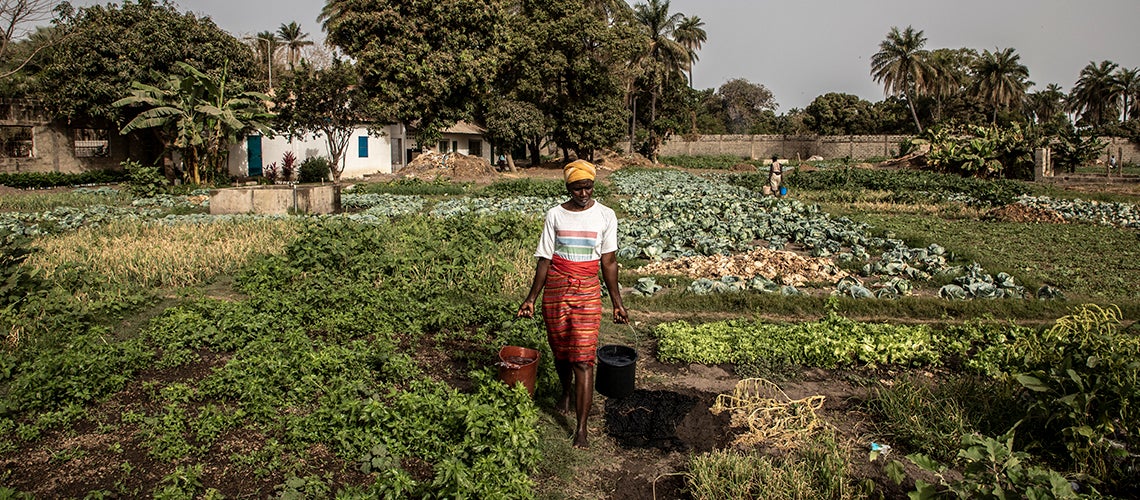
Lisa Cliggett’s Grains From Grass (2005) studies the Gwembe Tonga people of Zambia. This research reveals diverse socioeconomic strategies developed to deal with the complexity of globalization (p. 3). We see development among the Tonga as happening through labor migration, negotiating kinship paradigms of assistance, and religious practice. These forms of finding sustenance can be studied statistically looking at groups but are employed and altered by individuals. Indeed, the individualism demonstrated in various forms of socioeconomic self-preservation counter romantic Western notions of such societies being inherently collectivist and altruistic (p. 2). 

It may seem like a stretch, but this situation made me reflect on my own socioeconomic experience as a missionary from the West. I have spent most of my life outside Southern California where I was born, in two countries – Brazil and Portugal – where supporting myself and my family are much easier with my vocation than back home. Although I come from a Pentecostal tradition that emphasizes divine guidance and prophecy, I believe that my wife and my choice of location has been affected by economic realities. After 16 years in Brazil, my wife and I moved back to Southern California for 3 years but eventually moved on to Portugal. The cost of living in that part of the U.S. was a very real part of our decision to move. We could have stayed in the U.S. but our vocation as missionaries meant this would likely result in a loss of financial support. 

For most missionaries, donations are the main source of income, but increasingly other forms of financial sustainability are sought. This should be done with supporters’ knowledge to preserve accountability and not undermine the validity of a missionary’s appeal for donations. Again, I realize the great different in the Gwembe Tonga experience and my own, but the reality of individual agency versus oversimplified generalizations is shared. I feel that long-term missionaries today are not helped by being given only a few legitimate options for financially supporting their work. 

Cliggett (2005) promotes using a “framework of vulnerability that highlights difference in terms of a group’s resources and its ability to control those resources” that “forces us to develop a more complex vision” of such societies (p. 16). Again, I blush at trying to connect the economic situation of the Gwembe Tonga to my context in Portugal, but I do see some relevance. The Portuguese media constantly discuss the exodus of young people to other parts of Europe looking for better wages (Portugal at a risk of poverty below the EU average, n.d.). A tradesperson, for example, can make 3 or 4 times more in a country like France or Germany. However, diverse groups of immigrants to Portugal are thriving as they compare its economic opportunities to those of former Portuguese colonial nations which they come from (Monteiro, 2024). More recently, increased amounts of immigrants to Portugal are coming from South Asia, who find the country an easier port of entry than other European nations. 

At the same time, Portuguese economists constantly criticize the culture of nepotism and “amigismo” (closing economic circles among friends) as the prime source of its relative poverty and underperformance in Western Europe (Pimentel, 2021). There is no other nation I know in Europe that has an economy like Portugal’s in comparison to its powerful neighbors. As I think of my children’s economic future here in Portugal, I am forced to think of where there are thriving sources of innovation and opportunity. As I look around the metro area of Lisbon where we live, it is obvious that economic prosperity exists here. This is like my experience living in large cities of Brazil. The Brazilian media constantly spoke of the lack of economic opportunities in the nation in comparison to other countries. However, in these huge, teeming metropolises I was aware of millions of people who were finding a way to survive and often thrive. Cliggett’s work encourages me to look beyond the media portrayal of national economics which always makes money off bad news. As a missionary, I believe Cliggett’s work provides encouragement towards a rejection of negative economic stereotypes of the nations we serve. 

Now I will proceed gears to the second discussion prompt regarding gendered land ownership and accusations of witchcraft. I believe it is possible that Gwembe Tonga women may be accused as bulozi(witches) because of increased access to land inheritance from husbands. Elderly men are believed to engage in sorcery to “manipulate the supernatural world for human goals” (Cliggett, 2005, p. 131). Sorcery is believed to be the cause of sickness and death to their relatives (p. 134), and land inheritance disputes are common to so many cultures. Elderly men’s use of mystical powers sometimes backfires, resulting in witch hunts aiming to cleanse the community of evil and unfair practices (p. 136). Therefore, I think it is reasonable to assume that elderly women’s empowerment related to land makes them vulnerable to accusations of witchcraft like elderly men. 

References

Cliggett, L. (2005). Grains from grass: Aging, gender, and famine in rural Africa. Cornell University Press.

Pimentel, A. H., Marina. (2021, December 23). Maria José Morgado: “Cultura de impunidade, nepotismo e amiguismo tem feito de Portugal um país pobre e atrasado.” PÚBLICO. 

Portugal at a risk of poverty below the EU average. (n.d.). Retrieved October 9, 2024, from https://www.portugal.gov.pt/en/gc23/communication/news-item?i=portugal-at-a-risk-of-poverty-below-the-eu-average

Monteiro, C. (2024, April 16). Migração: Factos e Números 2024. EAPN. https://www.eapn.pt/centro-de-documentacao/migracao-factos-e-numeros-2024/

Do Traditional Cultures Still Exist?

Cliggett’s Intent and Purpose in Writing Grains from Grass

            Lisa Cliggett’s Grains from Grass (2005) studies the Tonga people of the Gwembe Valley in Southern Zambia. Her findings can speak to Western readers who are disillusioned with the individualism of their own societies. This disappointment motivates many Westerners to search for cultures that still honor the sacredness of the family (p. 1). But Cliggett disabuses Western readers of such a stereotype in her study of the Tonga people. In this community, diverse systems of collaboration, generosity, and charity exist based not primarily on “moral duty or altruistic sentiments” but on “necessity in the face of limited choices”. Of particular interest to this research is the relevance of gender-specific survival modes. Cliggett explores family dynamics related to survival in economically vulnerable communities. She discovers the significance of kinship networks for combating poverty and injustice. Cliggett’s understanding of vulnerability considers differences in access and control of resources among different members of Tonga society. Her findings correct simplistic notions regarding impoverished nations, let alone a continent such as Africa (Cliggett, 2005, p. 2-19). 

            Cliggett (2005) investigates the ways that older women and men in the Gwembe Valley interact with a relational world acutely affected by scarcity of resources (p. 22). And this research explores the ways family and community provide for or ignore the needs of elderly women and men in ways not obvious to an outside observer. The purpose of such analysis is to correct oversimplified visions of social problems in Africa on the one hand, as well as ingenuous ideas of the noble altruism of African families. It is argued that care for the elderly needy is not a natural phenomenon to any human society whether industrialized and modern or agricultural and traditional. A more nuanced vision of the multifaceted process of decision making in relation to helping needy family members is needed. This helps societies worldwide to be wiser about the connection between family relationships, poverty, and globalization. Thus, Cliggett addresses naïve Western notions of former times and other places where the support of family members simply flowed out of the goodness of human nature. Caring for the elderly is not a “natural” component of non-industrialized societies, which begs the question, “Where can we find positive examples of this behavior?” Cliggett’s aim to identify differences – “gender, class, generational or historical” – amidst generalizations about “poor and disaster prone” peoples, yields a more comprehensive view of our world’s complex reality. The result is a framework that ties together the agency of the individual, kinship economic models, and long-term analysis of at-risk populations. Cliggett (2005) hopes this will produce theoretical concepts which give “broader meaning” to the phenomena social science research observes in vulnerable communities (Cliggett, 2005, p. 22-75). 

The Resource Bases of Elderly Tonga Women and their Strategies to Access Them

            Cliggett (2005) gives a general description of Gewmbe villagers’ economic situation as consisting of resource ownership, small entrepreneurialism, government assistance, and wage employment (p. 80). In times of economic adversity all these factors are used by individuals in ways that reflect their gender, age, social networks, and the “capacity to negotiate relationships” for survival (p. 80). 

Cliggett (2005) found that women made the adjustment to old age with less disruption, and even with positive expectations regarding its potential benefits. Tonga society practices matrilineal kinship in which primary family identity is shared between women and their children (p. 20). Perhaps surprisingly, in this system widowhood or divorce can give women new freedom to work autonomously, or preferably to be supported from the households of their adult children. Thus, elderly women’s means of survival are connected to their maternal identity in relation to the children they spent their lives sacrificing for and serving. Matrilineal kinship strongly influences how the Tonga people strategize for obtaining resources. But this social system is not tidy, rather, individuals must make compromises and bargain creatively (Cliggett, 2005, p. 19-20). 

Women have been excluded from significant sources of sustenance and have therefore formed innovative means for self-perseveration in old age (Cliggett, 2015, p. 64). Women have less access than men to resources that can be used to generate income, but the former employ diverse types of “craft and service-oriented skills”. The primary way elderly Gwembe women provide for themselves is developing social networks from which they can receive food and other goods. As Gwembe women advance in age, they hope these strategically built relationships can help them procure food, housing, service, and general needs. The most precarious situation for an elderly woman is if she has no close adult male kin who can provide help (Cliggett, 2015, p. 83-108). 

The Resource Bases of Elderly Tonga Men and their Strategies to Access Them

            Tonga men tend to hold on to their position of social power as they age and cannot work the fields and care for themselves (Cliggett, 2015, p. 19). As stated earlier, matrilineal kinship means fathers do not share primary family identity with their children. In this family model, elderly men mitigate against disenfranchisement by exerting their right to adult son’s labor and through bride price, the amount paid for daughters. Despite men’s lack of shared clan identity with wives and children, they do have kinship roles giving them control over resources at the level of the nuclear family. Thus, men’s relationships with their offspring are largely based on formal rights. Women’s relationship with their adult children, on the other hand, depends on connection through kinship and the ties of the “mother-child experience”. By the time they become elderly, men have generally been able to accumulate an amount of wealth which can be used to support themselves. And in a polygamous society, an elderly man is likely to have at least one living wife residing in his home who can care for him (Cliggett, 2015, p. 20-38). 

Tonga men are more able than women to clear new bush fields and a man’s inheritance is traditionally passed on to male heirs. Therefore, predominant male ownership of land has been perpetuated over several generations (Cliggett, 2015, p. 65). Cash-producing activities that men have access to include selling agricultural tools they make, milk from cattle, and garden produce. Men can also offer their services in home construction, brickmaking, and other forms of manual labor. By the time a man is older, one reason his need for such forms of small income decreases is because of accumulated resources. A second reason is that a man’s dependents, such as daughters soon to marry and sons with incomes of their own, will provide additional resources. It is through residential arrangements with extended family members that most elderly men receive the bulk of their food and have their basic needs met (Cliggett, 2015, p. 83-97). 

The idea of a father receiving and “income” from his adult children seems strange to a Westerner like me who prizes independence and would see a parent being supported in such a way as a sign of failing to achieve independence. But from a Zambian perspective, such an arrangement can be seen as a form of retirement at the end of a life lived in significant part to supporting offspring.

How Such Strategies Relate to Elderly Men and Women’s Connections to the “Ritual World”

            In Africa, roughly a century of European slave trade followed by a century of industrialization and colonization have deeply affected “social, economic, and belief systems” (Cliggett, 2015, p. 53). In Zambia, differences in how global economic vulnerability has affected different regions produced richer and poorer regions. Seasonal fluctuation of food availability has led to agricultural migration, profoundly altering people’s connection to their land. This in turn has undermined the importance of ritual institutions and their leaders, elderly men (Cliggett, 2015, p. 56-62). 

            The funeral homestead is a “market of sorts” where people exchange and sell as well as singing funeral songs and developing relational networks, i.e. catching up on local gossip and current events (Cliggett, 2015, p. 82). Thus, a wide range of goods could be found by villagers and visitors at these recurring rural markets. Women’s participation in religious funeral rights is fundamental in the form of food preparation. The preparation of food is empowering to women, in fact the funeral period officially ends when the women finish clearing out the fire ovens (Cliggett, 2-15, p. 82-121). 

            Christianity has grown in the Gwembe valley, but the elderly population is not a significant presence in church life (Cliggett, 2015, p. 117). I wonder if elderly men and women do not see as much of the benefits of Christianity as a theology and community versus the younger more entrepreneurial population. The Pentecostal type of Christianity that has been so influential in Africa is highly individualistic, emphasizing God’s intervention in the life of the individual, the potential to receive his blessing on finances and health. Perhaps the elderly see this as not contributing to the traditional cultural and social institutions that benefit them, or worse, perhaps they see them as threatening. Ancestor worship is a traditional part of indigenous Tonga religious practice, and I am curious how different Christian denominations have interacted with this practice. 

            Men are seen as having agency regarding the spirit world in a direct way while women are beset upon by spirits, at times harmlessly but in some cases dangerously (Cliggett, 2015, p. 132). Women can use the cultural belief that they are vulnerable to possession by evil spirits as a means for requesting help (p. 140). A situation of spiritual attack makes an elderly woman victim a sympathetic plight for members of her kinship network. 

Some Effects of Migration on Traditional Kinship Support Paradigms

            Economic pressures and opportunities lead many of the Tonga people to migrate away from their home villages. But connections with family back home are generally maintained, not through remittances but sporadic gifts. Such contributions would not amount to a reliable or significant source of income (Cliggett, 2015, p. 148). And for those who migrate, making their new lives work is the main priority. The imposition of requests for help from visitors from a migrant’s home village makes greater distance helpful. The farther migrants move away, the more of a “buffer from such impositions” exists. The best way a visitor from back home can obtain a gift from a prosperous migrant relative is to make the request in person. Often the gift request is attended to, and sometimes at significant cost to the giver. But the gift is based on the nature of the interaction and is not a given, therefore the person requesting goes to great efforts to be gracious and diplomatic. Such gifts do not amount to a reliable source of income for villagers who remain back home. At best these contributions are a helpful part of a village’s economic system, but not a main source. If a migrant does not maintain ties with his or her home village, there is also a downside. This will result in being cut off from social ties to the home village and material, emotional, and spiritual benefits it can offer (Cliggett, 2015, p. 152-5).

Conclusion

            Cliggett (2005) makes a compelling argument that simplistic stereotypes of the drama and needs of the African people result in misguided endeavors to save victims and solve problems without tackling foundational causes (p. 48). The “framework of vulnerability” approach rightly advocates for multifaceted research on issues such as environmental crises, access to food, and kinship. This approach mitigates against tendencies in the social sciences to generalize about the circumstances of all members of a village, region, or nation (p. 49). I agree with the notion that at-risk populations’ foundational problem is relational. And each member of a family negotiates for resources within the kinship network with differing “desires, abilities, and power” (p. 50). 

I understand the need to find out who copes better or worse among vulnerable populations. First, those who cope poorly can learn from those who have innovated, negotiated, strategized, and succeeded. Second, I appreciate the importance of determining what unjust phenomena may be creating situations of inequality of coping. Thirdly, it is vital simply to determine who the poorest copers are to target them as those in greatest need. 

            Cliggett’s work demonstrates that support is channeled through “continually negotiated social networks” in different ways by elderly men and women (p, 158). With the participation of multiple family members in the chain of resources, a decision or failure to perform by any individual threatens the entire system. Cliggett (2004) demonstrates how individual’s in the Gwembe valley are able not only to survive but to prosper (p. 167). This account of individual human agency in poor communities emphasizes the endeavor to progress and flourish contra the caricature of acquiescence and acceptance of poverty. Cliggett’s work effectively counters the error of overly attributing worldview – how people think in sweeping generic national-ethnic terms – instead of observing reality of experience and agency on the ground (p. 167). I agree with the general position of this work as it posits that the most simple and foundational method of combatting the reductive tendency towards sociocultural analysis is the place the target community in “center stage” (p. 168), rather than giving too much credence to stereotypes and generalizations about vulnerable peoples such as the Tonga of the Gwembe valley. 

References

Cliggett, L. (2005). Grains from grass: Aging, gender, and famine in rural Africa. Cornell University Press.