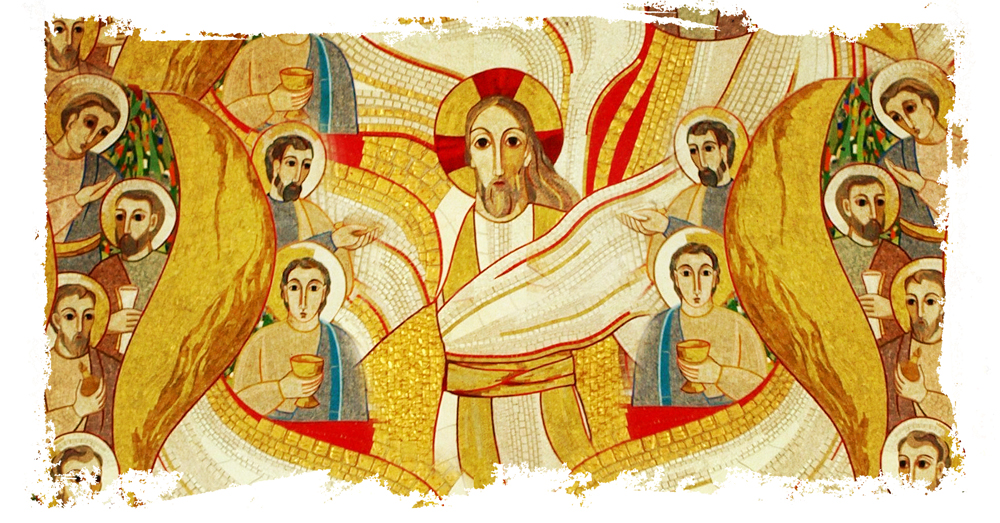
Why Christian Unity Matters (in recent history)?

I’d like to give a quick overview of some factors that contributed to Christian ecumenical movements in recent history. I realize that by using the word ecumenical here I can isolate myself from some readers.

Just a reminder, the New Oxford Dictionary’s definition of ecumenism is “the principle or aim
of promoting unity among the world’s Christian Churches”. I think this concept is something
That most Christians should be able to embrace.

The Roman Catholic Church had warned that the Protestant Reformation would cause
endless sectarian division, and historically that has proven true. The 19th century was a
a particularly intense time of multiplying new Christian denominations. But there was one thing the majority of Christian churches had in common. This was the experience of being dethroned from a position of privilege and influence in Western society during the Enlightenment. This marginalisation caused many churches to seek to band together with other Christian movements to survive this harsh new reality. The church was no longer at the center of society, no longer looked to as a universal authority on metaphysics – morality, values, meaning, etc.

Also in the 19th century, the rise of technology and relaxing political restrictions contributed to the emergence of ecumenism. Advances in transportation, for example (train travel) brought an unprecedented amount of Christians into contact with brothers and sisters of other faith traditions. In addition to this, romanticism sparked interest in the past, a movement in the arts and literature that emphasized subjectivity and the individual. People were rejecting the rationalism which characterised the Enlightenment. There was much interest in the past, including the medieval and ancient church. Some Protestant groups, such as the Oxford movement in England, began to sense that something precious had been lost in severing ties with the “apostolic” Roman Catholic and Greek Orthodox churches.

Another factor that contribute to ecumenism was the shift in the churches from addressing primarily (or at time exclusively) “spiritual” issues to social issues as well. A key historical event was the inauguration of the World Council of Churches in Amsterdam in 1948. Since then the Roman Catholic Church has not been a full member, but has participated as an observer, which is a significant step. Perhaps being a full member would amount to a recognition that the Catholic Church is only one among other equals, which is possibly the reason for remaining as observers.

After World War II there was much optimism for ecumenism, especially among mainline Protestants (Lutherans, Anglicans, Presbyterians, etc). There have been some significant moments of reconciliation. In 1958 Pope John the 23rd repealed the declaration at the Council of Trent that no sacraments outside the Catholic Church were valid. Subsequently the Catholic Church has reached agreement with the Lutheran Church on justification by faith. This is the central point of conflict that led to the Protestant Reformation in the 16th century.

However the early optimist soon lost steam. The liberalism of mainline Protestant denominations caused disunity with Roman Catholics, Greek Orthodox and Evangelicals. Many Christian leaders at the highest level promote Christian unity passionately. At the grassroots level many Christians intuitively seek partnership with other brothers and sisters in order to fullfil Jesus’ induction that His disciples be united in one body (John 17). Often it is the leaders at the middle level that are reluctant to engage in projects of Christian unity. Perhaps this is because they have the most to lose – their position, influence and power. The leadership structures of the church today are based on the status quo of division and sectarianism, the body of Christ as it stands today.

Since the 1960’s considerable progress has been made between Catholics and Pentecostals. This is based on the shared experience of the gifts of the Holy Spirit – speaking in tongues, prophecy and healing. There is much work to be done, I hope that this short commentary encourages us to participate in the historical movement towards Christian unity in its diverse expressions.

No One Wants the New Wine Once They’ve Tried the Old

Clique aqui para Português

And no one after drinking old wine wants the new, for they say, ‘The old is better.’” (Luke 5:39)

The way Portuguese people relate to Christianity in general has caused me to reflect on my own North American culture.  An old Chinese proverb says that if you want to know what water is, don’t ask a fish (https://stephenlbaxter.com/2014/02/17/dont-ask-a-fish/).  A fish has never been out of its water environment and therefore takes it for granted as a given aspect of reality.  

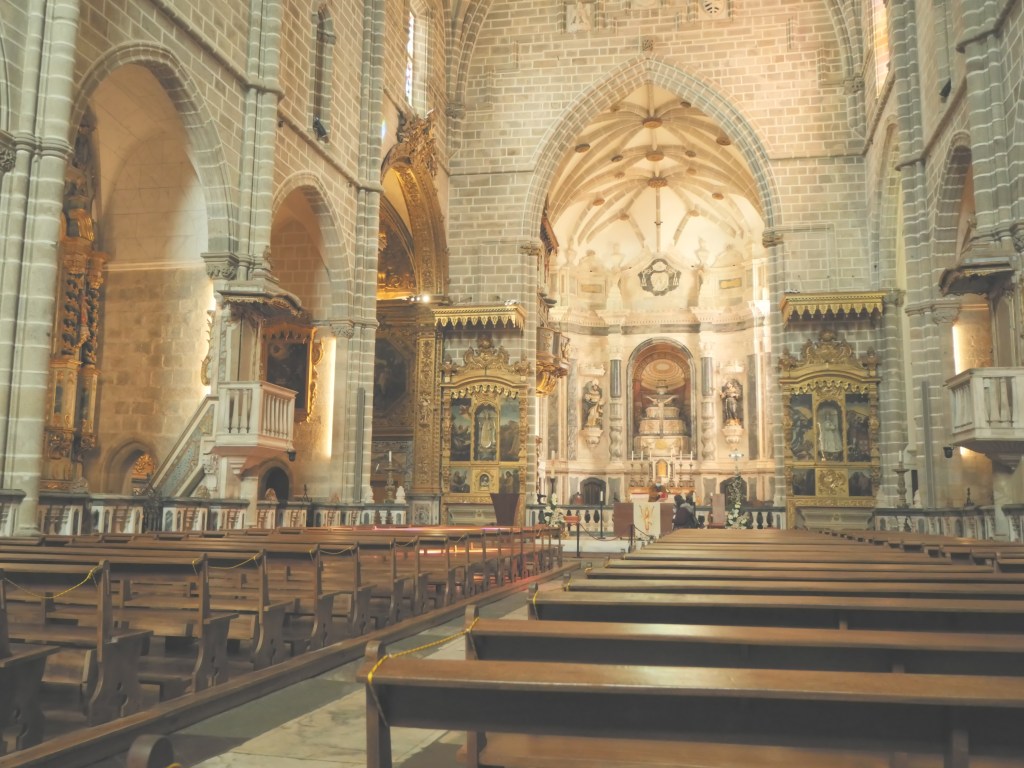
Recently our family visited the Capela dos Ossos (Chapel of Bones) in the city of Évora about 1:45 from Cascais where we live.  The cavernous chapel is pretty spooky at first glance.  But as we visited several museums in the area I couldn’t help marvelling at the reverence and devotion of the city’s historic monastic communities.  To visit downtown Évora is to admire the medieval constructions of the Catholic Church that testify to the power struggle against foreign invaders.  The Moors held Évora as a capital for 3 centuries and the French invaded and robbed the churches of all but the most sacred golden and silver artefacts.  The formidable Christian architecture that tourists come to see and locals revere are a testament to the ultimate supremacy of Christian culture in the region.  

For a North American like myself it is easy to look at such structures and focus on the carnal religious glory they perhaps embody.  All the art and decor and architecture can seem like a monument to human creativity.  But as looked over the artefacts from centuries of monasticism I was impressed by the sincere devotion of these communities.  One of my children asked me what monasticism was and I explained that these people had founded communities in order to live a more pure Christian life in a time when the Church had become decadent with privilege.  

In short, I sense that the Portuguese relate to Christianity with a sense of awe.  This, inspired by the physical evidence of the ancient faith that arguably forms the single greatest source of their culture.  There is something admirable and precious here.  In contrast, I feel that sometimes in North America we think of Christianity in terms of the contemporary institutions that strive for modern relevance to the point of appearing con substantive with secular corporations.  Many Americans view the church as a business both those on the outside looking in as well as the devout themselves.  In America we read books by spiritual leaders whose clout is based on power and fame.  In Southern Europe the most famous Christians are often those who lived ascetic lives of service and devotion.  Comparison is not my objective here, but I’m happy to share the inspiration I receive from the Church in this new context God has led my family and I. 

O Vinho Velho É Melhor

E ninguém, depois de beber o vinho velho, prefere o novo, pois diz: ‘O vinho velho é melhor! ’ ” (Lucas 5:39)

A maneira que os portugueses se relacionam com o cristianismo me faz refletir sobre minha cultura norte americana. Há um provérbio antigo chinês que diz que, se você quiser saber o que é água, melhor não perguntar para um peixe. O ponto é que, um peixe nunca saiu de seu ambiente aquático, então não sabe descrever uma realidade que não seja essa. O peixe nem sequer pode imaginar um mundo que não consiste de água como elemento básico fundamental.

Recentemente, a nossa família visitou a Capela dos Ossos na cidade de Évora, que fica cerca de 1h45m de carro de Cascais, onde moramos. A princípio, eu achei a capela meio assombrada e até assustadora, mas ela faz parte de um conjunto de prédios sagrados. Hoje a maioria destes edifícios são museus que contam a história das comunidades monásticas da era medieval. Os prédios mais impressionantes do centro de Évora são igrejas católicas que testificam da vitória da cultura cristã portuguesa contra invasores religiosos (muçulmanos) e secularistas (os franceses). Os mouros governaram em Évora durante 3 séculos e, no início do século 19 os franceses invadiram a cidade roubando as igrejas de seus utensílios dourados de adoração. Neste contexto histórico pode se perceber como a arquitetura cristã que permaneceu, serve como testamento da supremacia cultural que a igreja teve na região.

Para um norte-americano como eu é fácil olhar para tais estruturas e focar na ostentação religiosa que elas parecem representar. Toda a arte e ornamentação podem aparentar a mim como um monumento não a Deus, mas à criatividade humana. Contudo, ao passar pelas exibições históricas das comunidades monásticas, eu tive que reconhecer a evidência da devoção cristã sincera. Um dos meus filhos me perguntou o que era tudo aquilo e eu tentei dar uma explicação resumida do monasticismo. Eu disse que iniciando no século 2 peregrinos cristãos solitários começaram a ir espontaneamente a lugares desertos, incialmente no norte da África e na Síria, buscando viver uma fé mais pura e simples. Já naquela época havia cristãos que sentiam que a igreja havia se corrompido com os privilégios de prestígio político e riqueza. Estes irmãos e irmãs preciosos queriam voltar à essência do evangelho.

A impressão que eu tenho é que ainda hoje os portugueses se relacionam com o cristianismo com uma sensação de reverência. Essa veneração parece ser inspirada pelos vestígios físicos daquela fé da antiguidade, da qual talvez provem a maior fonte da cultura portuguesa, ainda em pleno século 21. Eu creio que aqui há algo admirável e precioso na cultura portuguesa. Em contraste, eu sinto que na minha cultura Norte Americana, ás vezes nós pensamos no cristianismo manifestado nas instituições contemporâneas. Estas igrejas, organizações missionárias e diversos ministérios se esforçam com muito zelo para serem relevantes no mundo contemporâneo, ao ponto de parecer quase idênticos às entidades seculares.

Muitos Norte Americanos – tanto crentes quanto não crentes – vêem a igreja como um negócio. Nós lemos livros por líderes espirituais cujo know how se baseia no poder e fama. Em contrapartida, aqui na península ibérica os cristãos mais famosos geralmente são os santos – a maioria da antiguidade – que viviam vidas de serviço e devoção a Cristo. O ponto fraco aqui seria talvez o foco demasiado na expressão cristã do passado, mas mesmo assim há muitas características admiráveis nesta tradição histórica.

O meu objetivo aqui não é comparar, mas simplesmente compartilhar a inspiração espiritual que tenho recebido da igreja no novo contexto para onde o Senhor tem conduzido a minha família e eu. O nosso desejo e oração é poder de alguma forma – seja quão pequeno for – somar com a obra do Reino de Deus que já vem sendo feita aqui desde quando a minha cultura nativa ainda nem existia.